

Description
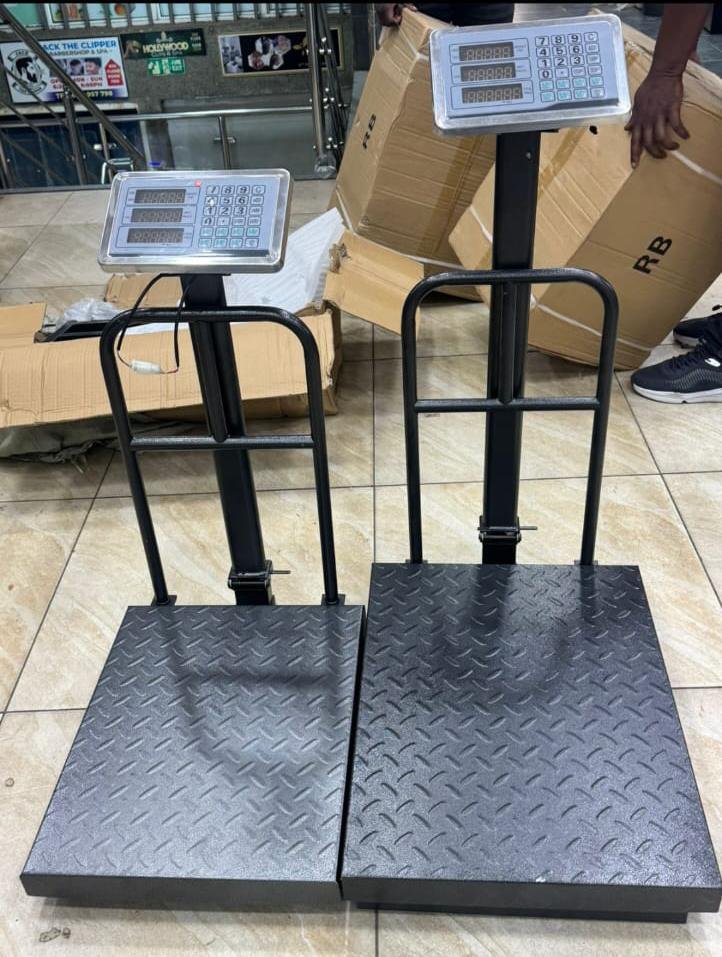
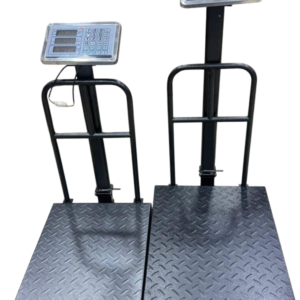
150kg Platform Weighing Scale
150kg Platform Weighing Scale is designed for weighing goods, products, and materials up to its stated maximum capacity of 150kg. It is suitable for businesses and individuals who require a practical weighing solution for retail operations, small warehouses, agricultural activities, workshops, and general commercial use. Before purchasing, customers should confirm the exact model specifications, platform dimensions, weighing accuracy, and display features to ensure the scale meets their requirements.
Product Overview
The 150kg Platform Weighing Scale provides a dedicated platform for weighing items that may be too heavy or bulky for smaller weighing devices. Its stated 150kg capacity makes it an option for users who handle packaged goods, stock, produce, equipment, and other materials within the scale’s rated limit.
Platform weighing scales are commonly used in commercial and industrial environments where weighing is part of daily operations. They can assist with checking product quantities, recording stock weights, preparing goods for distribution, and organizing inventory.
The 150kg capacity identifies the product’s advertised maximum weighing limit. However, the exact capacity and other specifications should be verified against the manufacturer’s rating label or technical documentation for the particular model.
Applications and Uses
Retail Shops and Commercial Businesses
Retail shops, wholesalers, and small businesses may use a suitable 150kg platform scale to weigh goods during receiving, stock management, and sales preparation. It can be considered for businesses handling products that require weight measurements within its rated capacity.
Warehouses and Stockrooms
Small warehouses and stockrooms often need to check the weight of cartons, packages, containers, and other stored items. A platform weighing scale can support these activities by providing a designated area for placing goods during measurement.
Agriculture and Produce Handling
Farmers, produce traders, and agricultural businesses may use a suitable platform scale to weigh sacks, harvested produce, animal feed, and other materials. The scale’s suitability depends on its construction, platform size, environmental requirements, and verified weighing specifications.
Workshops and Manufacturing
Workshops and small manufacturing businesses may use a platform scale to measure raw materials, finished products, components, and packaged items. Consistent weighing can help with stock recording, material handling, and routine production activities.
General Weighing Tasks
The scale may also be useful for weighing equipment, supplies, and other suitable items in commercial or domestic settings. Users should confirm that the item’s dimensions and weight fall within the scale’s permitted operating limits.
150kg Weighing Capacity
The stated maximum capacity of 150kg is the main identifying specification supplied for this product. This means the scale is advertised for loads up to that weight, subject to confirmation of the particular model’s specifications.
Maximum capacity should not be confused with readability or graduation. Readability refers to the smallest displayed weight increment, while accuracy describes how closely the displayed measurement corresponds to the actual weight under specified conditions.
Before purchasing, confirm the scale’s graduation interval, permitted measurement tolerance, and repeatability. These details are particularly important for businesses that depend on consistent measurements for inventory management or commercial transactions.
Never exceed the manufacturer’s rated capacity. Distribute loads appropriately across the platform and ensure that goods are positioned securely before taking a reading.
Platform Design and Display
The exact platform dimensions, construction materials, and display type have not been supplied for this product. Buyers should verify these details with the seller before ordering.
Platform dimensions determine the size of the items that can be positioned safely on the scale. Consider the width, length, and shape of the goods you intend to weigh, as well as the available installation space.
If the model uses a digital display, confirm its readability, visibility, and operating functions. Features such as tare, zero adjustment, unit conversion, and counting functions should not be assumed unless they are confirmed for the specific unit.
Power Supply and Installation
The scale’s power requirements depend on the particular model. Before purchasing, confirm whether it operates using batteries, a rechargeable battery, mains electricity, or another specified power arrangement.
Install the platform weighing scale on a firm, level surface capable of supporting the scale and its intended maximum load. Uneven flooring, vibration, and unstable support can affect weighing performance.
Allow enough space around the platform to load and remove items safely. Where goods are moved using trolleys or other handling equipment, ensure that the loading method is suitable for the platform’s design and rated capacity.
Maintenance and Care
Regular care helps maintain the scale’s condition and supports consistent operation. Keep the platform clean and remove dust, dirt, packaging materials, and other debris that could interfere with weighing.
Avoid dropping heavy items onto the platform, overloading the scale, or exposing it to moisture and environmental conditions outside the manufacturer’s recommendations.
Inspect accessible components periodically for visible damage, loose connections, or instability. If the scale displays inconsistent readings or appears damaged, stop using it until the problem has been assessed.
Follow the manufacturer’s instructions for cleaning, calibration, servicing, and replacement of components. Where reliable measurements are important, arrange calibration at the recommended intervals.
Accuracy and Commercial Use
Businesses that use the scale to determine selling prices or conduct other weight-based transactions should pay particular attention to accuracy and applicable legal requirements.
The stated 150kg capacity does not establish the scale’s accuracy class, calibration status, or approval for commercial trade. Customers should request relevant documentation if the scale will be used for regulated weighing activities.
Confirm whether the product is supplied with calibration documentation and whether inspection or verification by an authorized provider is required for the intended application.
Important Buying Considerations
Before ordering the 150kg Platform Weighing Scale, confirm the following details with the seller:
– Maximum rated weighing capacity.
– Platform length, width, and construction materials.
– Readability, accuracy, and graduation interval.
– Display type and available operating functions.
– Power supply and charging requirements, if applicable.
– Calibration status and suitability for the intended use.
– Warranty terms and after-sales support.
– Included accessories and availability of replacement parts.
Verifying these specifications helps ensure that the scale is suitable for the goods being weighed and the environment in which it will operate.
Conclusion
The 150kg Platform Weighing Scale is intended for weighing goods and materials within its stated capacity. It may suit retail businesses, stockrooms, agricultural operations, workshops, and other users who require a dedicated platform for routine weighing tasks.
Its practical value depends on the accuracy, platform dimensions, construction, display, and power specifications of the actual model. By confirming these details before purchase and following proper installation, loading, and maintenance procedures, customers can make an informed decision about whether the scale meets their needs.

Reviews
There are no reviews yet.